
Discover the real benefits of Krav Maga training: from full-body fitness and effective self-defence to confidence, mental resilience, and everyday safety skills. This guide explains why Krav Maga is different, what you can expect from classes, and how the training can positively impact your life both on and off the mats.
1. Full-Body Fitness and Conditioning
One of the first benefits of Krav Maga training you’ll notice is improved physical fitness. Unlike traditional gym workouts that isolate muscle groups, Krav Maga is functional and holistic. Classes combine cardio, strength, mobility, and flexibility work, making it a complete workout. Expect to run, push, strike, kick, and drill with a partner while constantly moving.
For example, pad drills raise your heart rate to simulate adrenaline stress, while floor-to-stand exercises build core and lower body strength. Over weeks of consistent training, students often notice leaner physiques, better balance, and more stamina. You don’t need to be fit to start—fitness comes as a natural result of regular practice.
2. Self-Defence You Can Rely On
Krav Maga was designed for real-world survival, not sport competition. The techniques focus on instinctive reactions, efficient movement, and finishing threats quickly. You’ll learn practical skills such as striking vulnerable areas, defending against grabs and chokes, breaking free from holds, and recognising the early signs of danger.
Scenario training is central: practising against common street attacks, multiple opponents, and even weapon awareness. This makes Krav Maga one of the most effective and adaptable self-defence systems available. As Krav Maga MK explains, these techniques are designed to work under pressure and stress, making them highly transferable to real situations.
3. Confidence and Empowerment
Perhaps the most life-changing benefit of Krav Maga training is the confidence it builds. Knowing you can handle yourself if needed changes the way you walk, how you feel in public, and how you interact with others. Many students report improved posture, assertiveness, and calmness in daily life.
Confidence isn’t just about fighting ability. It’s the quiet assurance that you can respond effectively to a situation. This empowerment reduces fear and vulnerability, especially for women or those who have previously felt unsafe. The Krav Maga Academy notes that empowerment is as important as the physical techniques themselves.
4. Stress Relief and Mental Well-Being
Modern life can be stressful—work pressures, family demands, and constant notifications. Krav Maga provides a physical and mental outlet. Intense drills release endorphins, leaving you energised and calmer. The focus required during training forces your mind to stay present, pushing daily worries into the background.
Over time, this improves resilience to stress. Students often find they sleep better, feel more relaxed, and manage anxiety more effectively. Research on exercise and mental health supports this, and as Krav Maga Somerset highlights, the unique mix of physical exertion and practical learning offers clear psychological benefits.
5. Situational Awareness and Prevention
Self-defence starts long before physical confrontation. One of the most important benefits of Krav Maga training is increased awareness of your surroundings. You’ll learn how to scan environments, identify potential threats, and make safer decisions. Avoidance is always the first option.
For example, simple skills such as choosing safer walking routes, recognising pre-attack indicators, and controlling distance can prevent dangerous encounters before they escalate. These lessons are especially valuable in urban settings and for those travelling alone at night.
6. Adaptability for All Ages and Abilities
Krav Maga is built on natural body movements, making it accessible to anyone regardless of age, gender, or fitness level. Whether you’re a complete beginner or an experienced martial artist, the system adapts to your needs. Techniques can be scaled in intensity, modified for injuries, or applied in different contexts.
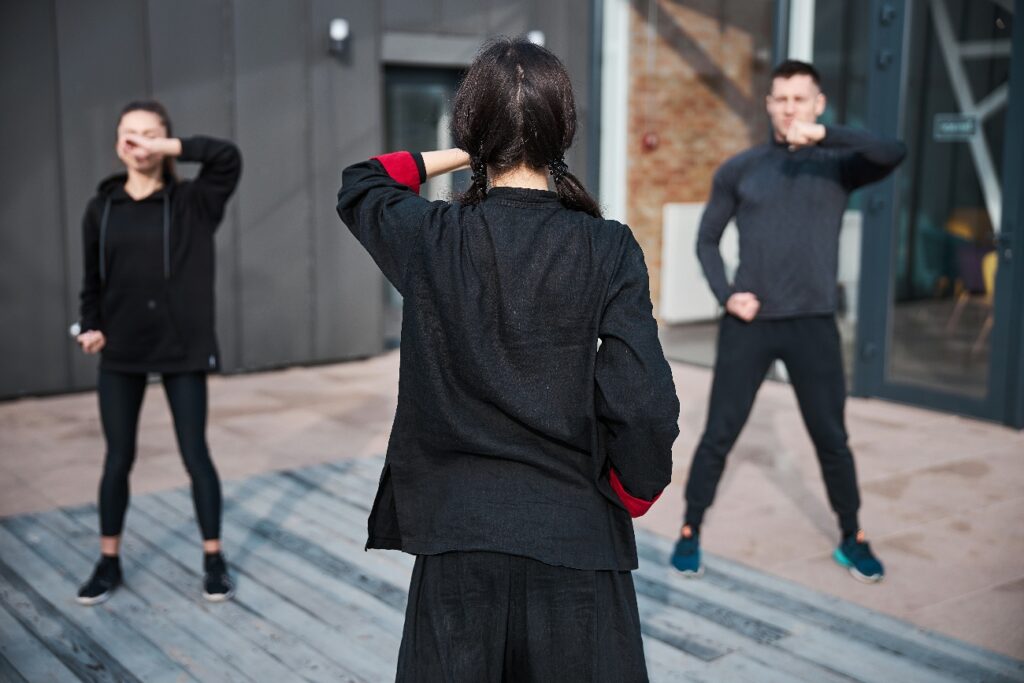
This inclusivity makes it ideal for families, professionals with busy schedules, or older students seeking practical safety skills without competition or ego. Many federations, including FEKM (Fédération Européenne de Krav Maga), stress that Krav Maga is for everyone.
7. Community and Camaraderie
Another overlooked benefit of Krav Maga training is the community you become part of. Classes foster teamwork, mutual respect, and shared progress. Training with partners creates trust and accountability, and the supportive atmosphere encourages consistency.
Many students say they join for self-defence but stay for the friendships. Being surrounded by like-minded people, all striving to improve themselves, builds motivation and belonging. This community spirit is one reason why people stick with Krav Maga longer than with solo fitness programs.
8. Discipline, Structure, and Personal Growth
Krav Maga isn’t just about fighting skills. The structured belt system (used by organisations like FEKM) offers clear goals, regular assessments, and opportunities to measure progress. This discipline encourages consistency, goal-setting, and personal growth that extends into work and personal life.
Each level challenges you in new ways: from learning basic strikes as a beginner to demonstrating advanced defences and decision-making under pressure at higher grades. This structured progression keeps training fresh and rewarding.
9. Mental Sharpness and Calm Under Pressure
In Krav Maga, you’re regularly exposed to high-stress scenarios in a safe environment. This develops mental toughness, decision-making under adrenaline, and the ability to stay calm when things get chaotic. Over time, you’ll find these skills carry over into everyday life—whether it’s handling workplace stress, conflict resolution, or personal challenges.
Conclusion: Why These Benefits Matter
The benefits of Krav Maga training extend far beyond the dojo. From better fitness and real self-defence to confidence, stress relief, awareness, and community, Krav Maga shapes both body and mind. While you’ll start to feel benefits within weeks, the real transformation comes from consistent, long-term practice. At Eitan Krav Maga, we’ve seen students of all ages grow stronger, safer, and more confident through training—and you can too.
Frequently Asked Questions
How soon will I notice benefits of Krav Maga training?
Most students feel fitter and more energised after 4–6 weeks of training twice per week. Confidence, awareness, and resilience typically deepen over months of consistent practice.
Do I need to be fit before starting Krav Maga?
No. You can start with any fitness level. Training naturally builds strength, endurance, and mobility over time. Instructors adapt drills for beginners, so you can progress safely at your own pace.
Can Krav Maga help with stress and anxiety?
Yes. The mix of physical exertion, focus, and skill learning helps reduce stress and improve sleep. Many students report improved mental well-being and lower anxiety.
Is Krav Maga suitable for women?
Absolutely. Krav Maga techniques emphasise leverage, speed, and targeting vulnerable areas—making them effective regardless of size or strength. Many women find the training empowering and practical.
Is Krav Maga better than going to the gym?
It depends on your goals. A gym builds general fitness, but Krav Maga combines fitness with real-world skills, mental resilience, and a supportive community. For many, it’s a more engaging and rewarding choice.