
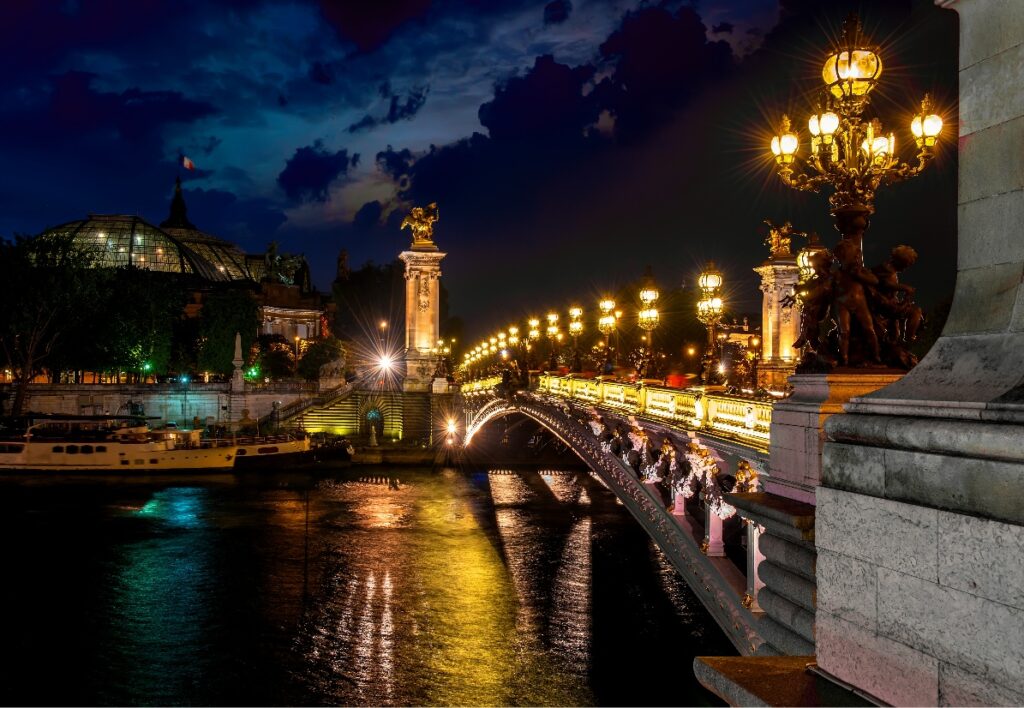
That first real confrontation, trembling with adrenaline, fear, and clarity—many martial artists remember it forever. In Paris, during one of those early nights walking the Seine, I found myself in that exact position: pushed, challenged, forced to act. That fight changed how I saw Krav Maga, and how I understood what it really means to blend technique with instinct, confidence, and humility.
In this article, I recount what happened, the lessons I extracted, and how that fight shaped not just my training mindset but my entire approach to teaching self-defence. My hope is that you’ll see how real pressure reveals truths, and how preparation, mindset, and decision-making matter just as much as any punch or escape.
Setting the Scene
It was late. The streets were quiet, lamps glowing, passers-by few. I’d been in Paris training, teaching, enjoying the night’s calmness. Suddenly, I sensed something off—uneasy energy. A group of strangers moved into proximity. The moment stretched.
One moved too close. Hands whispered threats I hadn’t expected. I had a split second—not to analyse, but to choose. Step back? Use voice? Or defend? That moment decided it.
How I Reacted: Technique vs Instinct
I didn’t plan to fight. My intention was to de-escalate first—loud voice, strong posture. But when aggression escalated, I instinctively shifted to defence. A sharp palm strike, a pivot to create space, a low line kick to neutralize the approach.
The fight lasted only seconds. It was messy, unpolished, imperfect. But I emerged standing. No one seriously injured. No overconfidence. Just a clearer appreciation that “the street” is nothing like the mat.
Lessons Extracted That Night
1. Pressure reveals gaps
Under real threat, the techniques you’ve practised in calm class settings show their flaws. Timing, footwork, transitions, distance control—they all become glaringly exposed. That’s valuable. The fight forced me to see what I hadn’t stressed enough in training.
2. Mindset mattered more than muscle
I wasn’t the strongest in the moment, but I stayed calmer. Decision-making, composure, and clarity under stress made more difference than power. The ability to decide *when* to act (or not) was as crucial as how to act.
3. Use what’s reliable—not what’s flashy
Fancy spinning kicks, elaborate counters—they rarely serve under chaos. In that moment, I reverted to basic tools I’d internalised: straight strikes, escapes, immediate gap creation. If technique is not ingrained before stress, it falls apart.
4. Humility & responsibility
Walking away wasn’t “losing.” It was choosing life. That night reminded me: in real conflict, restraint is strength. Also, the duty to train others properly—not to glorify conflict, but to prepare them to survive and preserve.
How That Fight Changed My Teaching
Since Paris, I’ve fundamentally adjusted how I design classes:
- More surprise drills — switching drills without warning to simulate the unexpected.
- Forced decision making — in pairs, one partner introduces threats without cueing.
- Revisit basics constantly — not just new techniques, but depth in simple strikes and escapes.
- Teaching restraint and ethical use — when to fight, when to de-escalate.
- Adding stress layers — fatigue, time constraints, environmental disruptions.
These shifts help students be prepared not just for controlled sparring, but for that moment where the world isn’t controlled.
Closing Reflections
That first fight in Paris remains etched in my memory—not because of the fear, but because of what it taught me. It exposed deficits, illuminated priorities, and refined purpose. It showed that Krav Maga is never “complete”; it must evolve with each experience.
As an instructor now, I carry that night into every class. I tell students: train large, small, fast, slow, under pressure. But never forget humility, discernment, and the responsibility that comes with the tools we carry.
Nicholas Kitson
Eitan Krav Maga, London